One missing tooth is easy to live around. You chew on the other side, you learn where to position your lip in photographs, and months turn into years.
That is exactly why single tooth replacement gets postponed, and why the decision quietly becomes more complicated the longer it waits. The bone beneath a gap does not stay where it is.
This page covers what actually matters in that decision: how an implant compares with a bridge on real outcome data, what waiting costs you, how timing affects the treatment you will need, and what it costs in Phoenix.
Dentique by Dr. B places and restores single tooth implants at 15715 S 46th St, Suite 104, in the Ahwatukee Foothills area of Phoenix, serving South Phoenix and the surrounding communities. Dr. Rashmi Bhatnagar handles both the placement and the final crown.
What Happens to the Site After a Tooth Is Lost
This is the part that changes how urgent the decision is, and most patients are never told it. Bone exists to support teeth, remove the tooth, and the body begins reclaiming the bone that held it.
The published figures are more dramatic than most people expect. Resorption of up to 50 percent of the original width of the alveolar ridge should be expected within the first year after extraction. At six months, horizontal bone loss ranges from 29 to 63 percent. Most vertical bone loss occurs within the first three months.
A few patterns are worth knowing:
- Loss is greater on the outer, cheek-facing side of the ridge than the tongue side, which is why aesthetics in the front of the mouth are affected disproportionately
- The upper jaw resorbs more than the lower
- Posterior regions lose more than anterior
None of this means a huge gap cannot be treated. It means a site that has been empty for five years often needs grafting that would not have been necessary at year one, which adds time and cost to the same treatment.
Implant, Bridge, or Leave It
This is the actual decision, so here is the honest comparison rather than the version that assumes an implant is always right.
The traditional bridge
A three unit bridge spans the gap by anchoring to the teeth on either side. To do that, those two teeth are reduced and crowned, whether or not there is anything wrong with them.
Its biggest advantage is speed. In a retrospective study of 200 patients treated for a single missing lower premolar or molar, bridges took an average of 46.6 days and 3 clinical visits, against 157.1 days and 5.2 visits for implants. If you need the gap closed before a wedding in two months, that gap in timelines is real.
The cost is structural. You permanently alter two healthy teeth to replace one missing one, and the bridge does nothing about the bone underneath, which continues to recede.
The implant
An implant replaces the root as well as the crown. It stands independently, the teeth on either side stay untouched, and because the post transmits force into the bone the way a natural root does, it slows the resorption described above.
The same 200 patient study found the durability difference showed up over time rather than immediately. Overall prosthetic complication rates between the two were similar, but complication free survival was significantly higher in the implant group: 56 percent of implant patients remained complication free through follow up, against 36 percent of bridge patients. Mean time to first complication was longer for implants as well, 680 days against 592.
So: the bridge is faster and involves fewer appointments. The implant preserves your other teeth, protects bone, and runs into fewer problems over the years.
Leaving the gap
Sometimes defensible, particularly for a rear molar with no visible or functional consequence. But it should be a decision made deliberately with your dentist, weighing the drift of neighbouring teeth and the bone loss above, rather than something that happens by default because nobody raised it.
Timing: Immediate or Delayed Placement
If your tooth is being extracted rather than already gone, there is a second decision, and it is genuinely debated within dentistry.
Immediate placement puts the implant into the socket at the time of extraction. Fewer surgical episodes, shorter overall treatment, and better preservation of the socket architecture. Outcomes are good as a four year prospective study of 116 immediately placed and immediately loaded implants reported 97.4 percent survival with mean marginal bone loss of 0.67mm. A fifteen year retrospective study of immediate placement with simultaneous ridge preservation reported no implant failures at all.
Delayed placement allows the socket to heal first. A systematic review and meta analysis of eleven randomised trials found delayed placement had fewer failures, with an odds ratio of 3.47 favouring the delayed protocol, and a tendency toward less marginal bone loss.
Both approaches work. Immediate placement is faster and preserves more of the site; delayed placement carries a somewhat lower failure risk. Which is right depends on the condition of your socket, whether infection is present, your bone quality, and how much aesthetic pressure the site is under. Any dentist recommending one universally, without reference to your scan, is applying a preference rather than a plan.
How Your Implant Is Judged Successful
Useful to know, because it lets you evaluate your own outcome rather than taking reassurance on faith.
The long standing clinical criteria are, no mobility, no pain, no infection, no radiolucency around the implant, marginal bone loss under 1.5mm in the first year after the abutment is connected, and under 0.2mm per year after that.
Those are the numbers a dentist should be tracking on your follow up radiographs.
Your Crown Options
The implant post is titanium. The crown attached to it is a separate choice.
Porcelain fused to metal
Porcelain fused to metal is durable and long established, though the metal substructure can occasionally show as a dark line at the gumline over time, particularly if gums recede.
All ceramic and zirconia
All ceramic and zirconia handle light more like natural enamel, which matters considerably for a front tooth and much less for a rear molar. Zirconia in particular is strong enough for posterior use while retaining better aesthetics.
For a back molar, function and durability dominate. For anything in your smile line, the shade and translucency conversation is worth having properly, because a single crown has to match the teeth immediately beside it, which is harder than matching a full arch where everything is new.
What Affects Whether Your Implant Lasts
Single implants succeed at high rates, but the risk factors are worth knowing because most are within your control.
Smoking is the largest modifiable risk, associated with materially higher failure rates and increased peri-implantitis.
Peri-implantitis, the bacterial inflammation causing bone loss around the implant, drives the majority of late failures. Ongoing hygiene and maintenance visits genuinely determine outcomes here.
A history of gum disease meaningfully raises the risk of the same problem developing around an implant.
Uncontrolled diabetes impairs healing and integration. Well controlled diabetes is a much smaller concern, and the distinction between the two is what the research actually turns on.
Grinding loads the implant beyond what it was planned for. If you clench, that needs addressing as part of the plan.
Am I a Good Candidate for Single Tooth Implant?
Most adults are candidates. The key eligibility factors are:
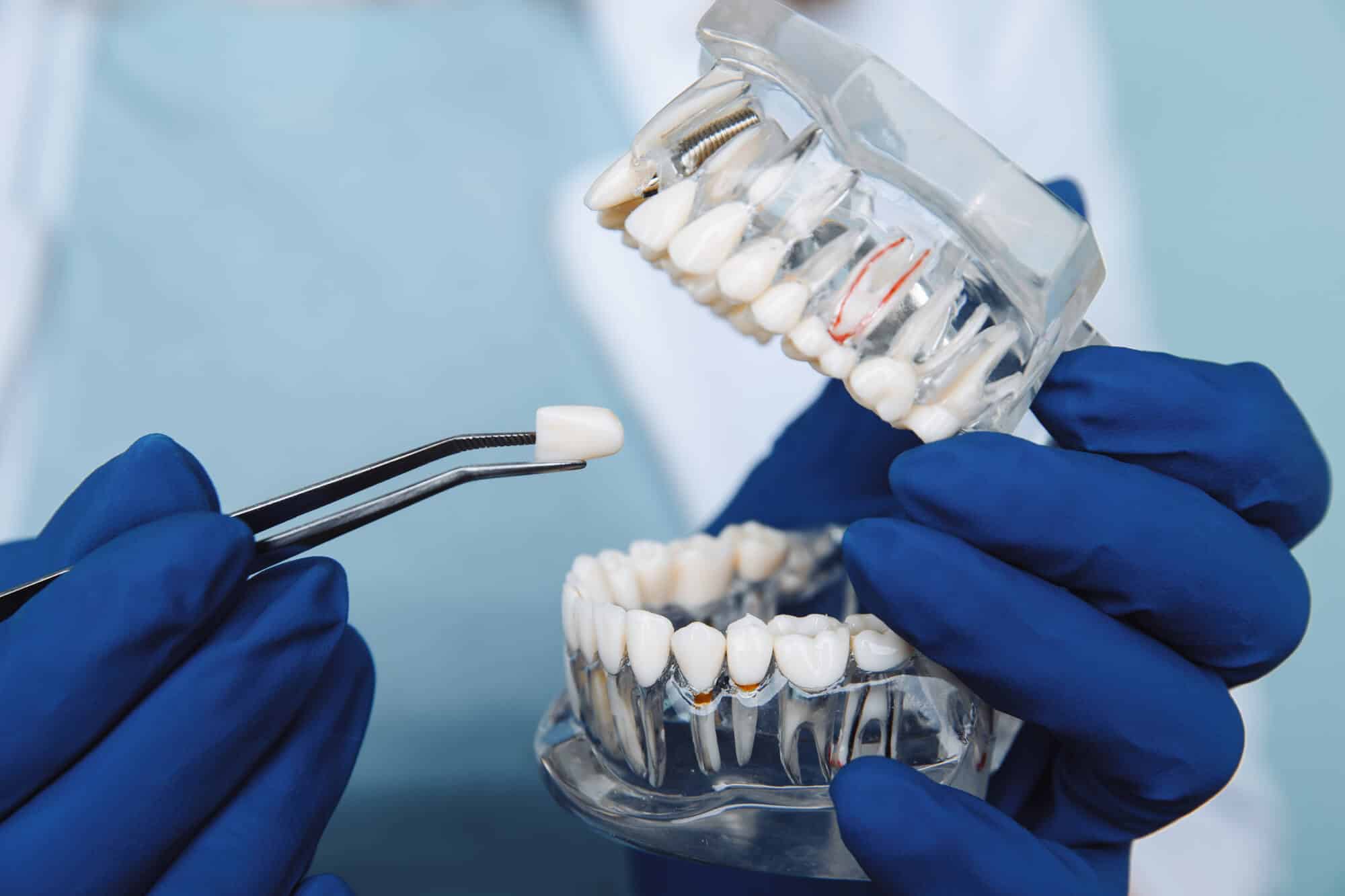
Sufficient jawbone density
Healthy Jawbone Density helps to anchor the implant post the procedure
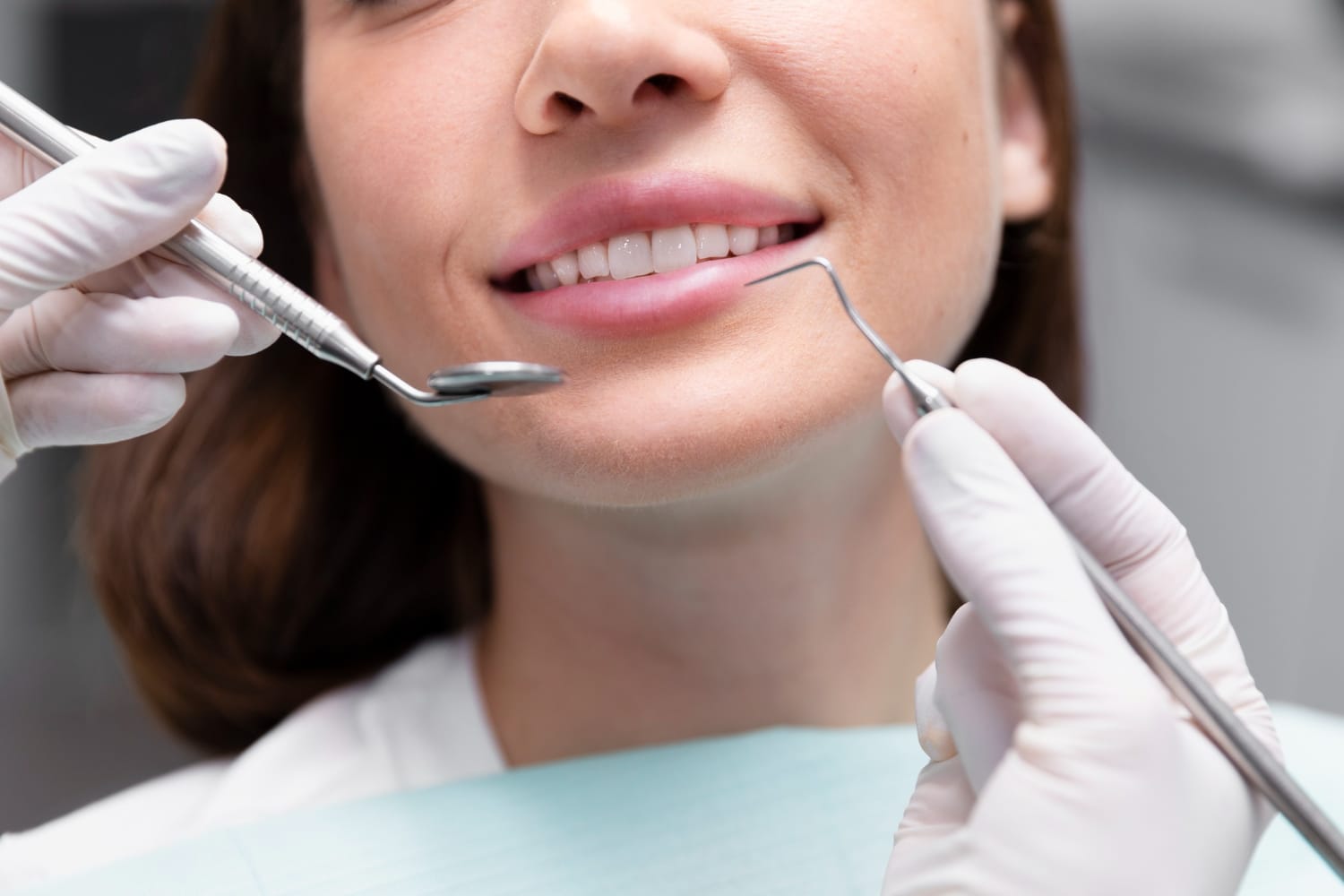
Healthy Gums
Your gums need to be free of active infection or uncontrolled gum disease
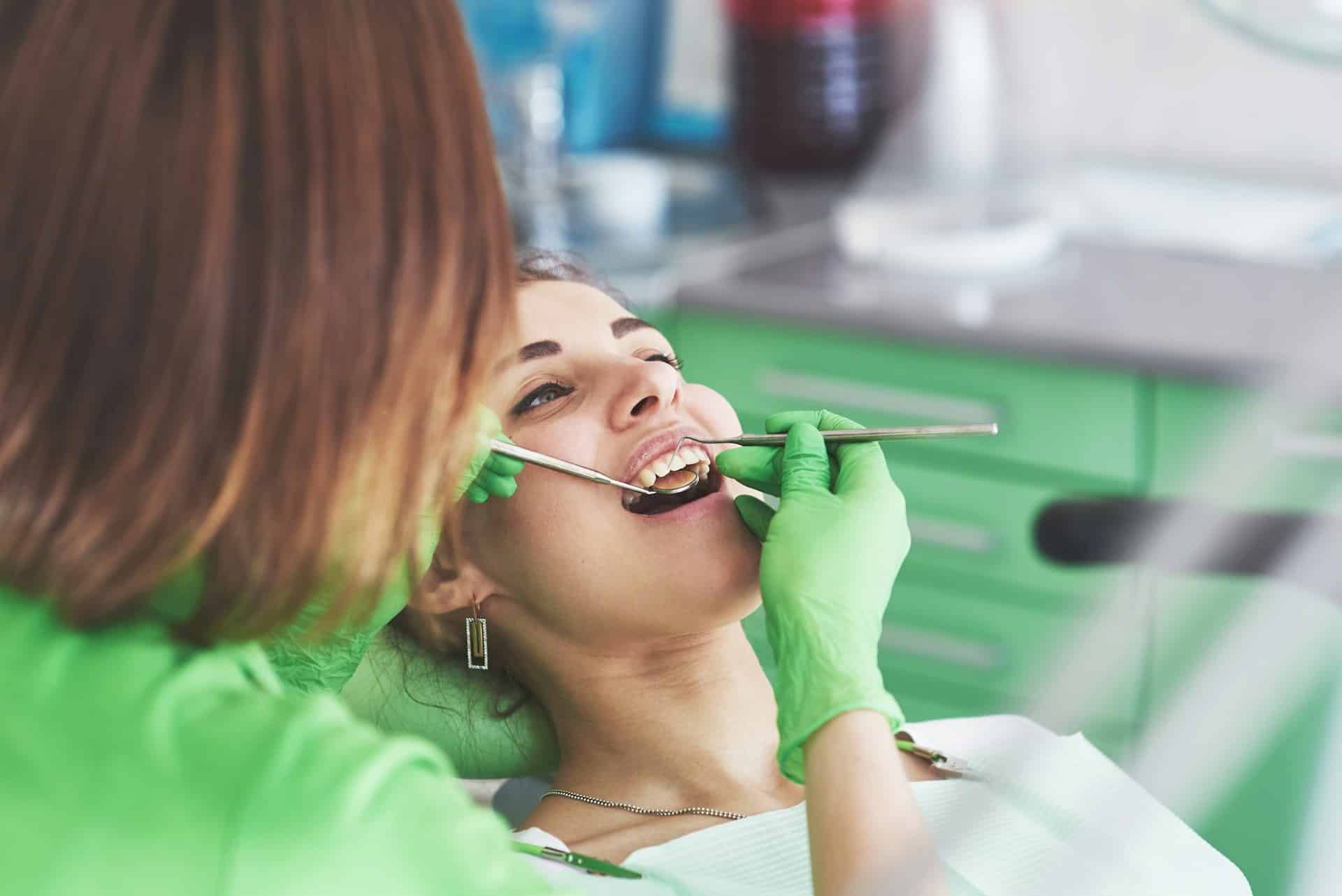
Good Overall Health
Make sure you have no conditions that severely impair healing

Not a Smoker
You shouldn’t be smoking or need to stop smoking during the healing phase
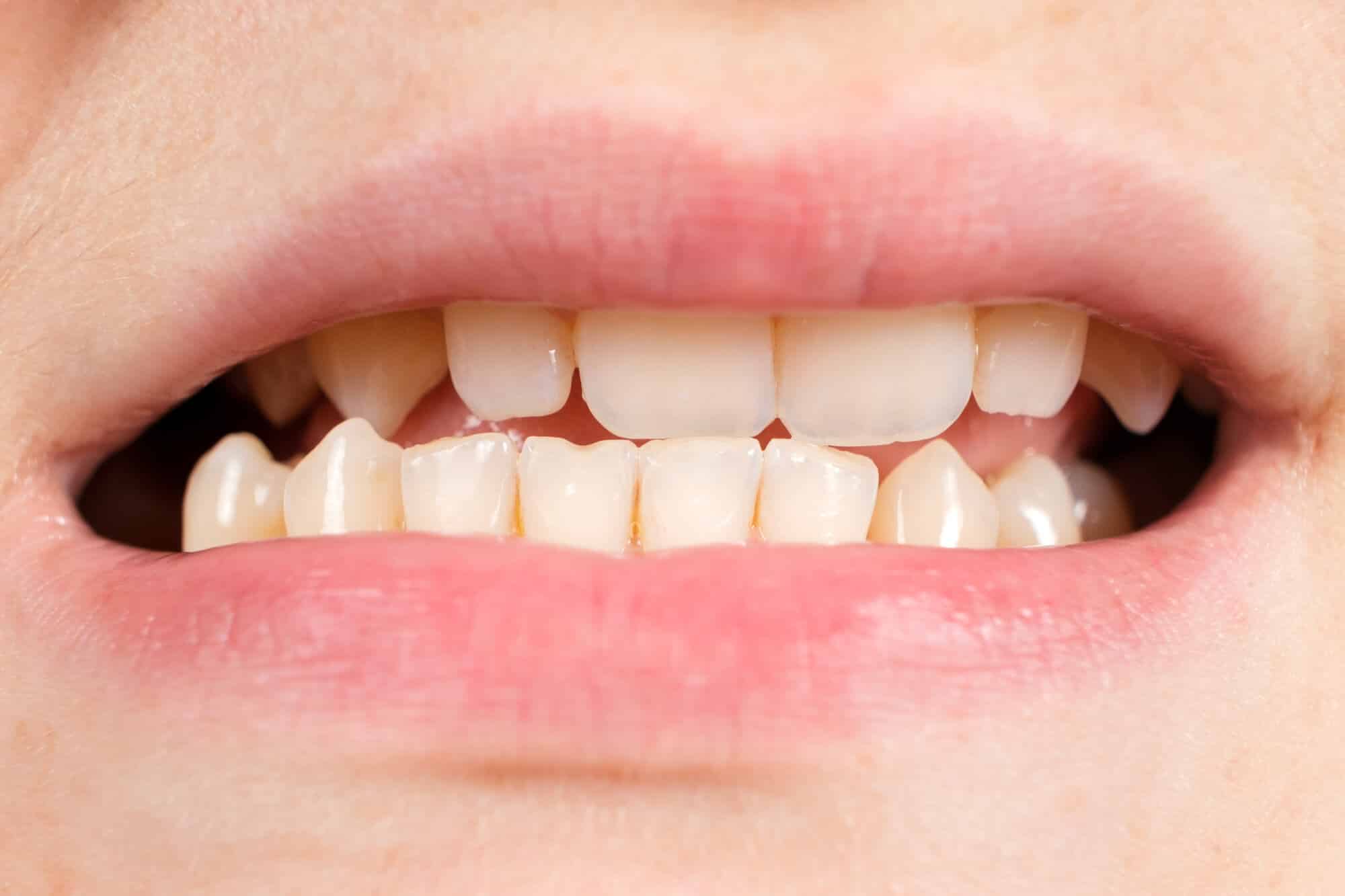
Fully developed jaw
These typically happens by the late teen years
The Treatment Sequence
- Consultation and CT scan. Bone volume, gum health, and your bite are evaluated, and whether grafting is needed is confirmed before anything else is decided.
- Digital planning. The scan determines exact implant position, angle, and depth ahead of surgery.
- Placement. The post is placed in a single appointment, typically under local anesthetic, with sedation available.
- Healing. Roughly twelve to eighteen weeks while bone fuses to the implant. A temporary tooth keeps the gap filled throughout.
- Final crown. Custom shaded and shaped to match the teeth on either side.
Most single implant cases finish within three to six months.
What a Single Implant Costs
Single implant pricing across Phoenix generally runs in the low thousands. Advertised figures start around $2,500 for implant, abutment, and crown at the value end and rise from there depending on crown material, bone condition, and whether grafting is required.
A bridge is often cheaper upfront. Worth weighing against it: the bridge requires preparing two healthy teeth, does not address bone loss, and showed the lower complication free survival in the comparison above. The cheaper option at the outset is not always the cheaper option across fifteen years.
At Dentique you receive written pricing after your consultation and scan, rather than a number quoted before your case has been seen. New patients can begin with a comprehensive exam, X rays, and cleaning for $79. CareCredit and low interest payment plans are available.
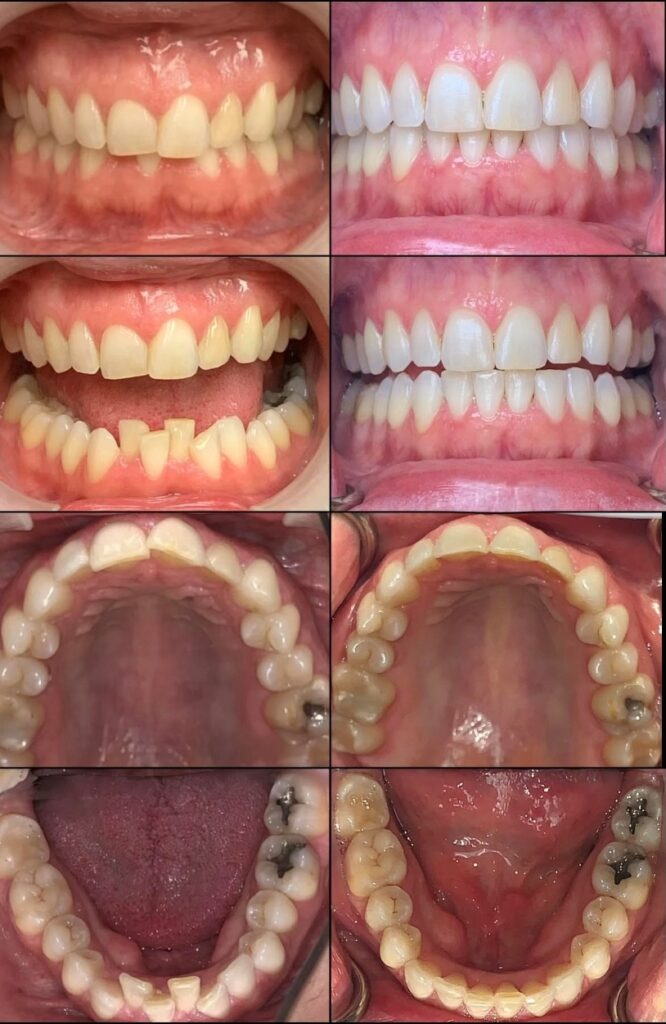
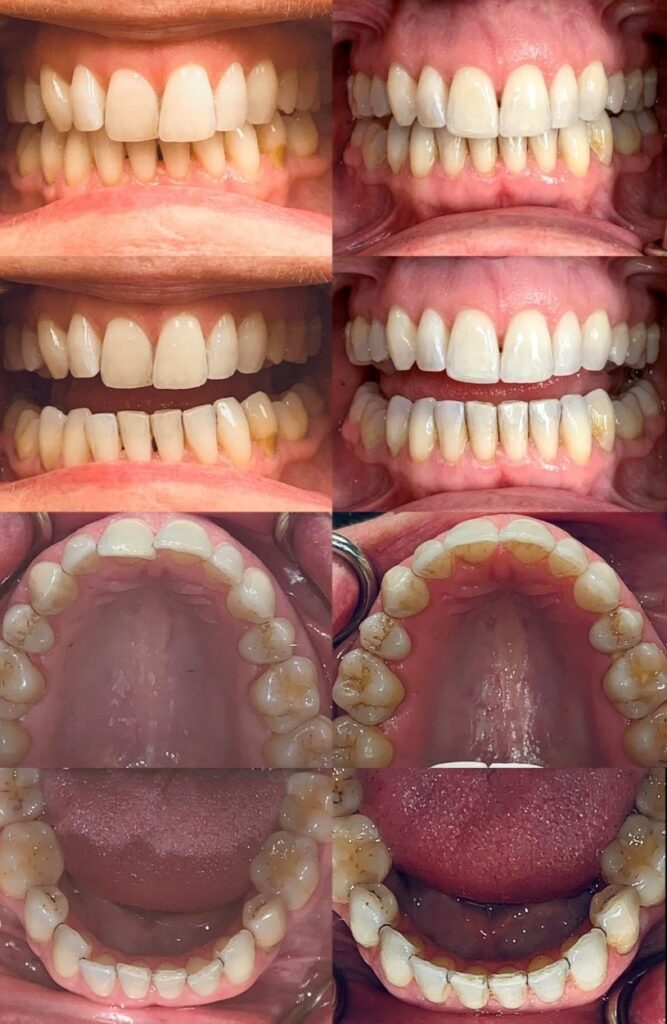
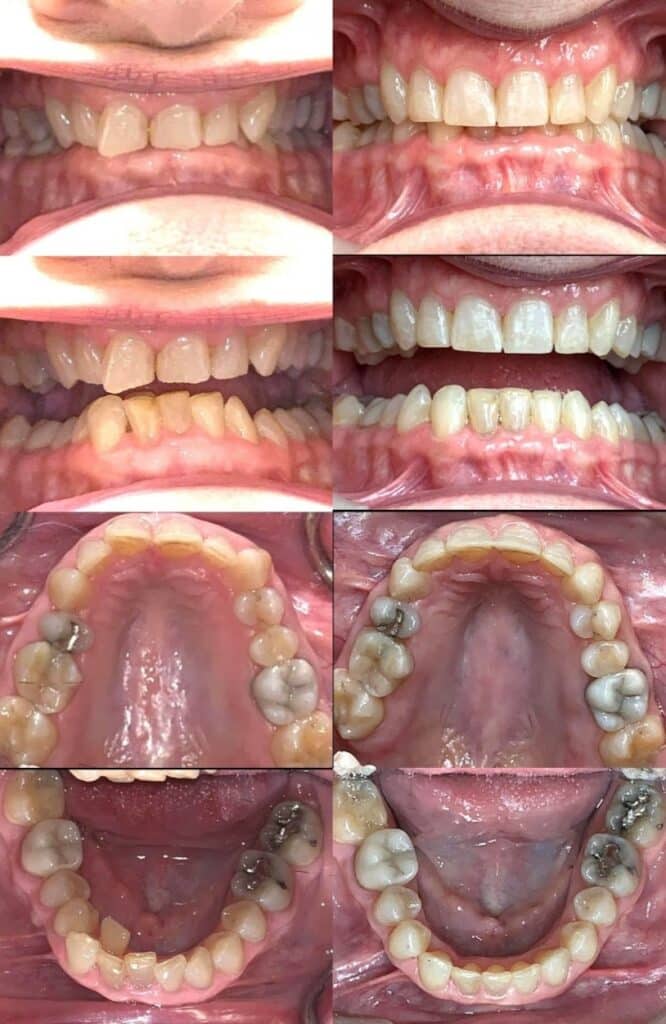
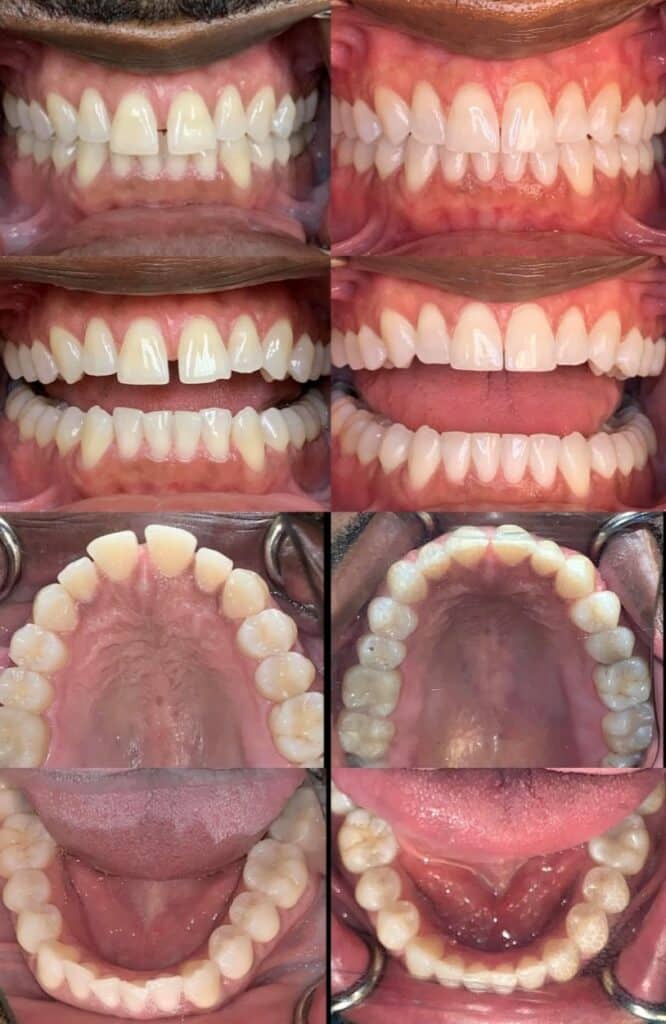
Before and After Dental Implants in Phoenix by Dentique
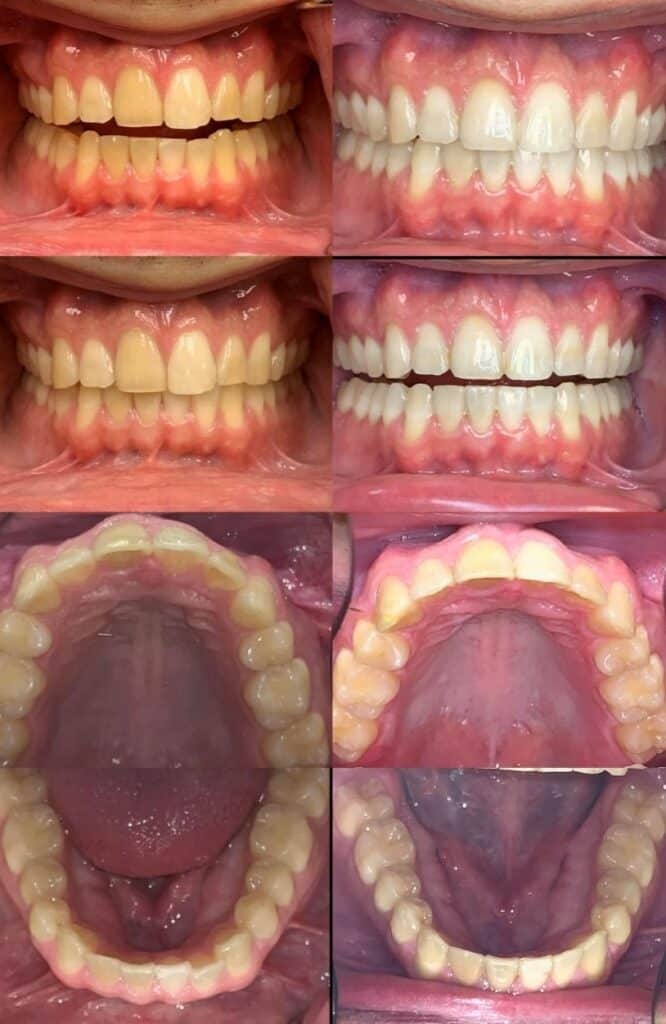
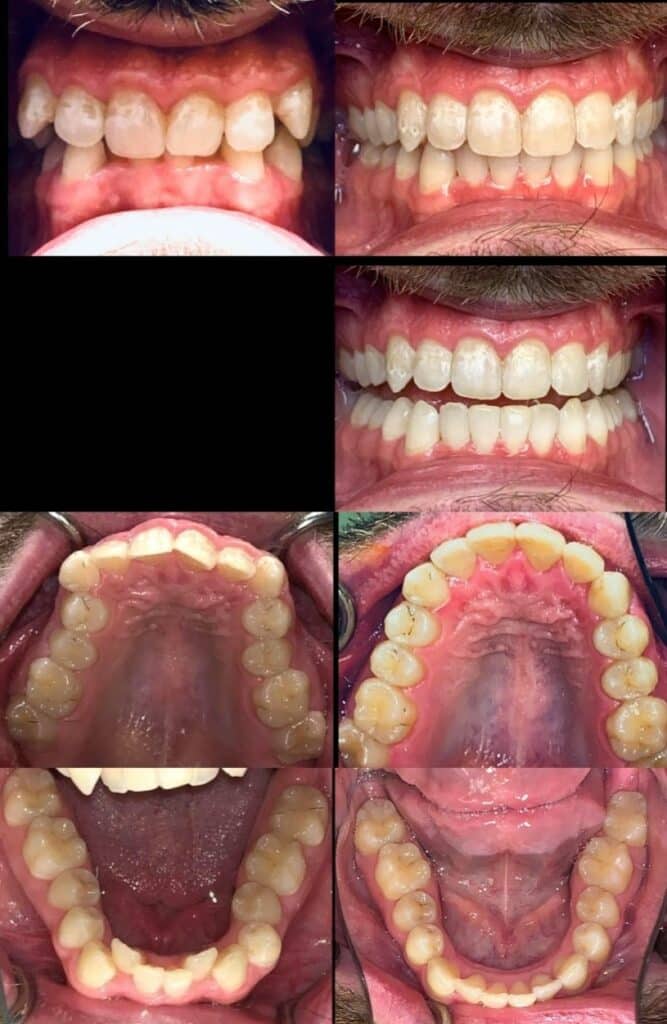
How long does a single implant last?
The post is designed to last decades and frequently a lifetime with good hygiene and regular maintenance. The crown typically needs replacing after ten to fifteen years of normal use.
Does it hurt?
Placement is performed under local anesthetic with sedation available. Most patients describe it as considerably easier than anticipated, with a few days of soreness afterward.
Is an implant better than a bridge?
For most patients, yes, because it preserves bone and leaves neighbouring teeth intact, and the complication data favours it over time. A bridge is faster and may suit a specific timeline or budget. Both are legitimate; the right one depends on your case.
Can I have the implant and crown the same day?
Usually not, because the implant needs to integrate with bone first. A temporary tooth means you are never left with a visible gap.
My tooth has been missing for years. Is it too late?
Very rarely. Extended bone loss may mean grafting first, which is a normal stage rather than a disqualification. A CT scan will confirm what your site needs.
Should I have the implant placed at the same time as the extraction?
Sometimes. Immediate placement shortens treatment and preserves the socket, while delayed placement shows a somewhat lower failure rate. Your socket condition, any infection, and bone quality decide it.