Honestly, no not really. Most people leave surprised at how little they felt, and the most worrying part turns out to be the easiest.
However, “not painful” or “feel nothing at all” are not quite true. Let’s actually walk through every stage instead of giving false reassurance. You deserve the real picture, and not just a comforting reminder.
What Are Veneers?
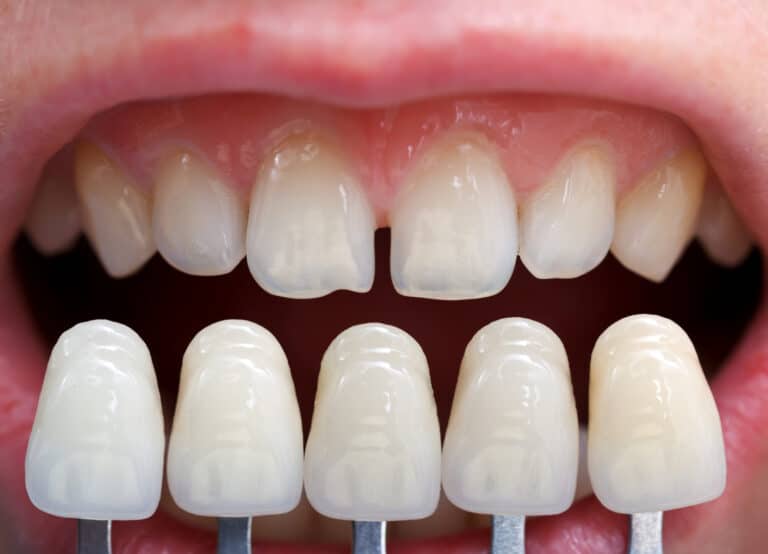
Dental Veneers are custom made shells that are attached to the surface of your teeth. Think of veneers as a smile upgrade. Dentists recommend them to treat:
- Deep stains that resist whitening treatment
- Chips or worn out teeth
- Small gaps between your teeth
- Teeth that are mildly crooked or have an odd shape
Veneers are designed specifically for how your smile would appear. They provide a natural look rather than anything artificial, along with longevity that lasts for years.
The Fear Almost Always Comes From One Step
If you’ve already googled this, there’s a good chance a specific image is stuck in your head, the dentist shaving down your teeth before the veneer. Every anxious patient goes through this, and we don’t blame them.
For traditional porcelain veneers, your dentist removes about half a millimeter of enamel, hardly the thickness of a fingernail. Local anesthesia is used to numb you before it starts, so you just feel pressure and vibration instead of pain. Most patients describe it as similar to getting a filling, and it takes about an hour.
If that still sounds like more than you want, no prep veneers are worth asking about. They skip most or all of the enamel removal entirely, which is why they have become such a popular option for patients who want a change without any discomfort.
Walking Through Each Visit
The consultation
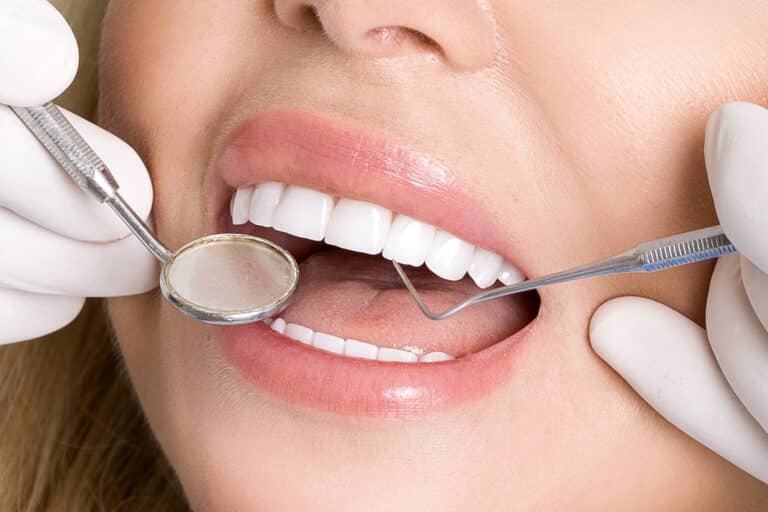
This is just Dr. Bhatnagar looking at your teeth, discussing what you want and which type of veneers would fit your goals. Basically zero discomfort here.
Tooth preparation
As mentioned above, this is the part where anesthesia gets to play its only role. You should not feel pain after your numb, only pressure or vibration.
Temporary veneers
While your permanent veneers get custom designed, you will wear temporary veneers for a week or two. These are bonded without any preparation, so it’s quick and painless. Some patients complain about sensitivity to hot or cold during this period, since a thin layer of enamel is now not as protective as it was before.
Final bonding
Your permanent veneers are inserted without any anesthesia in most cases, since there’s no cutting involved at this stage. You might feel some pressure, but it is usually not painful.
The days after
This is where most of the “discomfort” conversation actually lives. Expect mild gum tenderness and some sensitivity to hot or cold for a few days. It is very manageable, It is usually handled with pain relievers, and it fades later on
Porcelain Versus Composite: Does the Material Change the Pain?
Yes, a little. Composite veneers are attached directly on your tooth in one visit. It is often done with no enamel removed and usually no anesthesia requirement at all. Patients who choose composite veneers describe the experience with zero discomfort.
Porcelain involves the enamel removal, so there’s more sensation involved. It is still within the pressure, not pain” range once you are numbed. Industry surveys from the American Academy of Cosmetic Dentistry show patients with high comfort ratings.
What Dr. Bhatnagar Tells Her Patients
“The anxiety is almost always worse than the actual appointment,” Dr. Bhatnagar says. “Once someone is numb and we start the prep, most people are surprised how quickly it’s over. The soreness afterward is mild, and it’s gone within a few days for the vast majority of patients.”
Keeping Recovery Comfortable
A few things make the days after treatment easier:
- Diet should be soft foods for the first few days while the numbness goes away and your gums settle
- Use an over the counter pain reliever like ibuprofen if there’s tenderness
- Avoid very hot or very cold foods and drinks for a few days if you notice sensitivity
- Use a soft bristled toothbrush around the area till it feels normal
Most patients return to normal routine within 2-3 days, sometimes sooner.
When to Actually Call Your Dentist
Mild soreness and temperature sensitivity is completely normal at the start. Pain getting worse instead of better is not normal. As well as discomfort that persists for more than two weeks. That may point to a small adjustment needed in your bite.
Frequently Asked Questions
Do veneers hurt more than a filling?
No, they are generally comparable. Both use local anesthesia, and any post treatment sensitivity is similar in intensity and duration.
Will I feel anything during the enamel shaving step?
You should feel pressure and vibration, not pain, since the area is numbed beforehand. The amount of enamel removed is thin, typically about half a millimeter.
How long does sensitivity last after getting veneers?
Most patients notice mild sensitivity for a few days to about a week. If it continues much longer than that, it is worth a follow up call.
Are composite veneers less painful than porcelain?
Generally yes, since composite often requires little to no enamel removal and frequently no anesthesia at all.
Can I eat normally right after getting veneers?
Soft foods are recommended for the first day or two. Most patients return to their normal diet within a few days.
Is sedation available if I have dental anxiety?
Yes. Dentique offers sedation options for patients who want extra comfort during any part of the process.